
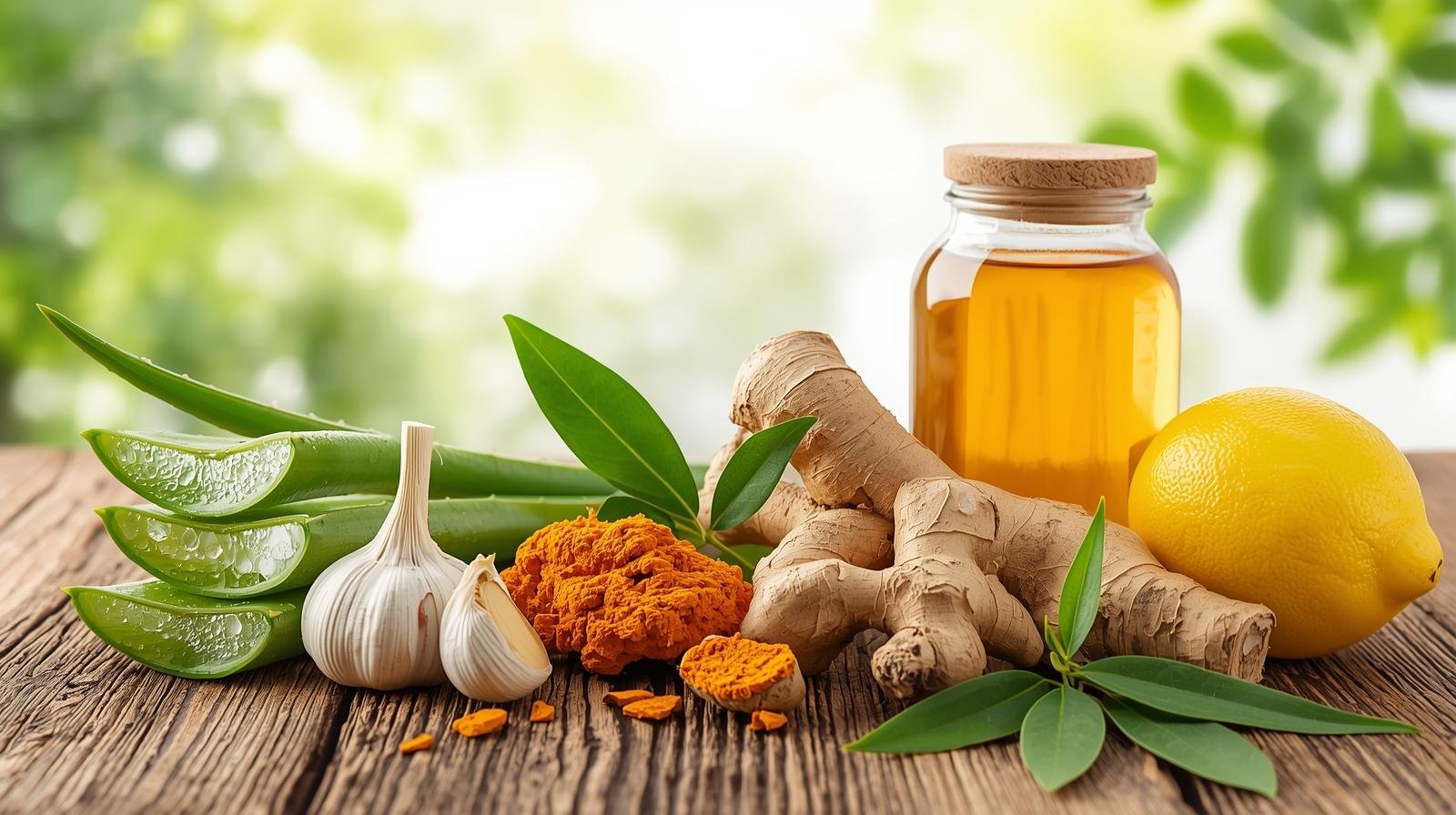
Natural ingredients play a major role in health practices across the world. People use plants, herbs, seeds, fruits, and minerals in food, medicine, and daily care routines. These ingredients come from nature and enter the body through food, drinks, oils, powders, and extracts. Health systems across regions include natural ingredients in treatment and prevention methods.
Many cultures built knowledge about natural ingredients through observation and experience. Families passed knowledge about herbs, roots, and leaves from one generation to another. This practice created a link between food and health. Modern research now studies many of these ingredients and confirms several of their functions in the body.
This article explains natural ingredients, their health roles, and how people include them in daily life. It also covers common ingredients used in different health traditions.
What Are Natural Ingredients
Natural ingredients come from plants, animals, or minerals without industrial chemical processing. These ingredients include leaves, roots, fruits, seeds, bark, and oils. Many foods contain natural ingredients that support body functions.
Examples of natural ingredients include:
- Turmeric
- Ginger
- Garlic
- Honey
- Lemon
- Aloe vera
- Green tea
- Cinnamon
People use these ingredients in meals, drinks, herbal preparations, and home remedies.
Natural ingredients contain compounds that interact with the human body. These compounds may support digestion, immunity, circulation, and metabolism.
History of Natural Ingredients in Health
Natural ingredients have been part of health systems for thousands of years. Ancient civilizations relied on plants and herbs for treatment and prevention.
Historical records show the use of natural ingredients in:
- Traditional Chinese medicine
- Ayurveda in India
- Greek medicine
- Egyptian healing practices
- Islamic medicine
Ancient medical texts recorded plant use for digestion, skin care, fever, infection, and wound treatment. Knowledge of herbs and natural ingredients expanded through trade and cultural exchange.
Even today many pharmaceutical medicines come from compounds first discovered in plants.
Nutritional Value of Natural Ingredients
Many natural ingredients contain nutrients required for body function. These nutrients include vitamins, minerals, fiber, and plant compounds.
Vitamins
Fruits and herbs supply vitamins that support body systems. Examples include:
- Vitamin C in lemon
- Vitamin A in plant foods
- Vitamin E in seeds
These vitamins participate in immune response and cell processes.
Minerals
Natural foods provide minerals required for body balance. Examples include:
- Iron
- Calcium
- Potassium
- Magnesium
Minerals support bone structure, nerve signals, and fluid balance.
Fiber
Plant ingredients contain fiber. Fiber supports digestion and helps regulate bowel movement. It also supports gut bacteria.
Plant Compounds
Plants contain compounds such as polyphenols and flavonoids. Research studies their role in protecting cells from damage.
Common Natural Ingredients Used for Health
Turmeric
Turmeric comes from a root used in cooking and herbal preparation. It contains a compound called curcumin. Curcumin has been studied for its role in inflammation response.
People use turmeric in food, tea, milk drinks, and herbal mixtures.
Ginger
Ginger comes from a root used in food and herbal drinks. It is widely used in digestion support.
People use ginger for:
- Nausea
- Digestive discomfort
- Cold symptoms
It is consumed in tea, powder, fresh slices, or cooking.
Garlic
Garlic is used in food and herbal traditions. It contains sulfur compounds studied for heart health.
Research links garlic intake with support for circulation and cholesterol balance.
Garlic is consumed raw, cooked, or in supplement form.
Honey
Honey comes from bees and contains natural sugars and plant compounds. It is used in food and home remedies.
People use honey for:
- Throat comfort
- Energy source
- Wound care support
Honey is often mixed with lemon or ginger in drinks.
Aloe Vera
Aloe vera is a plant used in skin care and digestion practices. The gel inside the plant leaf is used for skin application.
It is used for:
- Skin hydration
- Minor burns
- Irritation relief
Some people also consume aloe juice in small amounts.
Natural Ingredients and Immune System Support
The immune system protects the body from infection. Nutrition plays a role in supporting immune response.
Natural ingredients supply nutrients and plant compounds that interact with immune processes.
Examples include:
- Citrus fruits that provide vitamin C
- Garlic that contains sulfur compounds
- Ginger used in herbal drinks
People often include these ingredients in meals and drinks during cold seasons.
Natural Ingredients for Digestive Health
Digestion converts food into nutrients used by the body. Natural ingredients help support digestive processes.
Examples include:
Ginger
Used for stomach discomfort and nausea.
Mint
Mint leaves are used in drinks and food for digestive comfort.
Fennel
Fennel seeds are used after meals in many cultures.
Fiber Rich Foods
Plant foods supply fiber that supports bowel movement and gut bacteria.
Healthy digestion plays a role in overall health.
Natural Ingredients and Skin Care
Skin reflects internal and external care practices. Natural ingredients appear in many skin care routines.
Examples include:
Aloe Vera
Used for hydration and soothing.
Honey
Applied to skin as part of home care practices.
Turmeric
Used in face masks in some cultural practices.
Coconut Oil
Applied for skin moisture.
People often prefer natural ingredients for simple skin care routines.
Natural Ingredients in Daily Diet
The easiest way to benefit from natural ingredients is through food. Many ingredients appear in meals, drinks, and snacks.
Examples include:
- Herbal tea with ginger
- Lemon water
- Garlic in cooking
- Turmeric in rice dishes
- Honey in warm drinks
A balanced diet that includes plant foods supplies nutrients required for body function.
Natural Ingredients in Traditional Medicine
Traditional medical systems often rely on natural ingredients. Practitioners prepare herbs as powders, teas, oils, or extracts.
Examples include:
- Herbal tea mixtures
- Plant extracts
- Root powders
- Medicinal oils
These practices continue in many regions today.
Modern research studies these ingredients to understand their chemical composition and effects.
Safety and Responsible Use
Although natural ingredients come from plants, responsible use is still important.
People should consider the following points:
- Use moderate amounts
- Check allergies
- Consult professionals when using herbal supplements
- Avoid mixing unknown herbs with medication
Scientific research continues to examine how natural ingredients interact with the body.
Growing Interest in Natural Ingredients
Interest in natural ingredients has increased in recent years. Many people seek food and health options that rely on plant sources.
Industries related to food, wellness, and personal care now include natural ingredients in products.
Examples include:
- Herbal teas
- Plant oils
- Natural skincare products
- Herbal supplements
Research institutions also study plant compounds for future medical use.
Role of Natural Ingredients in Preventive Health
Preventive health focuses on habits that support long term health. Diet plays a role in prevention strategies.
Natural ingredients contribute through:
- Nutrient intake
- Plant compounds
- Fiber consumption
- Balanced meals
Health professionals encourage diets that include fruits, vegetables, grains, herbs, and seeds.
Such diets support body systems and help maintain health balance.
Environmental Impact of Natural Ingredients
Natural ingredients connect health with environmental practices. Sustainable farming protects plant sources used in food and medicine.
Farmers cultivate herbs, fruits, and seeds using agricultural practices that support soil health.
Responsible harvesting also protects plant species and ecosystems.
Consumers increasingly choose products that support sustainable agriculture.
Future Research on Natural Ingredients
Scientists continue to study natural ingredients to identify compounds that affect health.
Research areas include:
- Plant chemistry
- Nutrient interaction
- Herbal medicine
- Food science
Many modern medicines originate from plant compounds discovered through research.
Future discoveries may expand the role of natural ingredients in health care.